Monitoring Subcontractor Arrival and Departure Times: The Visual Verification Guide
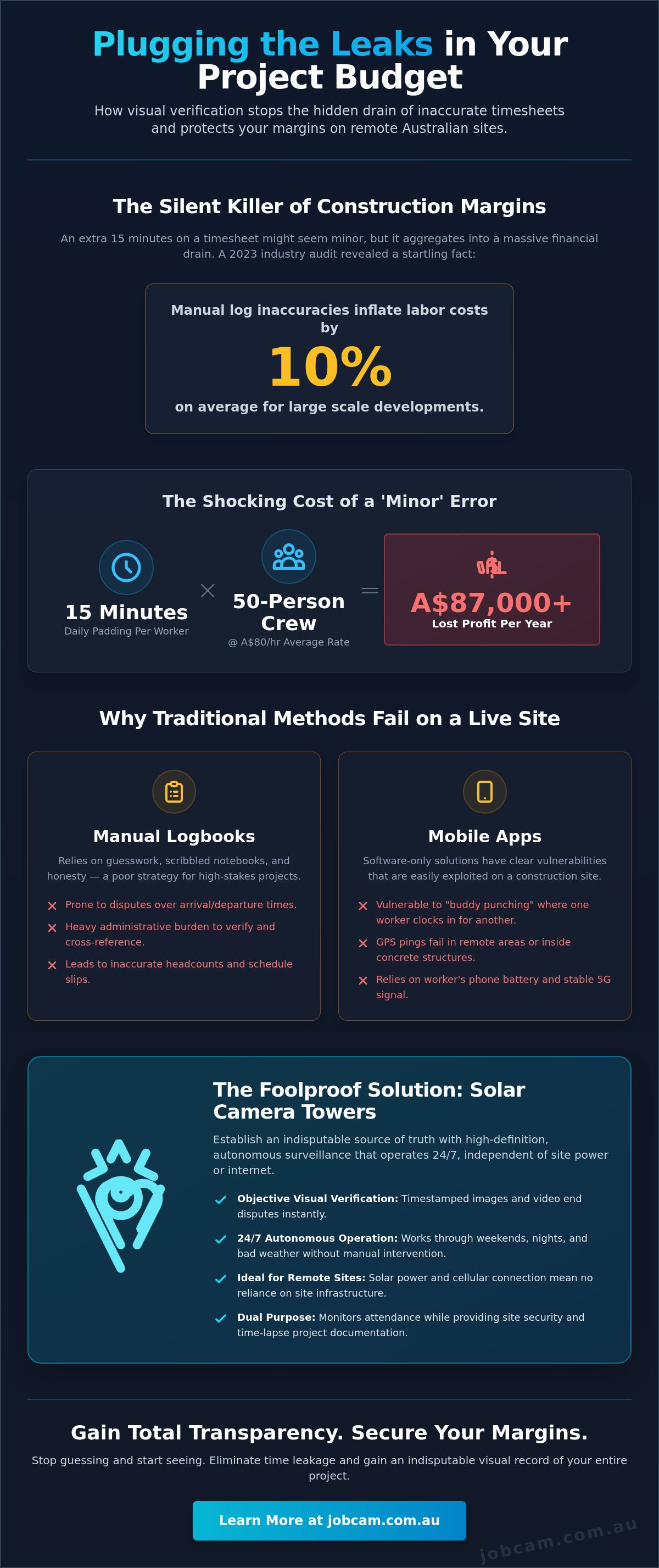
An extra 15 minutes on a timesheet might look like a minor rounding error, but across a 12 month project, those minutes aggregate into thousands of dollars in lost profit. A 2023 industry audit revealed that manual log inaccuracies inflate labor costs by 10% on average for large scale developments. Monitoring subcontractor arrival and departure times shouldn't rely on guesswork or a scribbled notebook at the site gate. On remote Australian sites without fixed power or internet, this lack of visibility creates a persistent drain on your project budget and leads to avoidable disputes over arrival times and delivery windows.
You already know that verifying every invoice manually is a heavy administrative burden that pulls your focus from critical path tasks. It's time to gain total transparency. This guide demonstrates how to eliminate time leakage and establish an indisputable source of truth using high definition, solar powered camera tower rentals. You'll learn how to deploy autonomous surveillance to ensure subcontractor accountability, reduce administrative overhead, and enhance site security. We'll show you how to see your site from anywhere and turn visual data into a powerful asset for project verification and stakeholder reporting.
Key Takeaways
- Identify the hidden costs of "time leakage" and discover how visual transparency protects your project margins on remote Australian sites.
- Master a foolproof strategy for monitoring subcontractor arrival and departure times using high-definition motion alerts and strategically positioned solar-powered towers.
- Replace unreliable manual logbooks with objective visual verification to ensure total subcontractor accountability and streamlined dispute resolution.
- Leverage dual-purpose time-lapse technology to document overall project milestones while simultaneously verifying daily workforce attendance.
- Understand the operational advantages of the solar tower hire model, providing professional installation and maintenance without the burden of equipment ownership.
The High Cost of Inaccurate Subcontractor Time Tracking
Time leakage is the silent killer of construction margins. It is the discrepancy between hours billed and hours actually worked on site. On large-scale Australian developments, these gaps often go unnoticed until the final budget review. Relying on honesty or manual logs isn't a strategy. Monitoring subcontractor arrival and departure times requires more than a signature on a clipboard. It demands visual verification. Traditional time and attendance systems often fail in the grit of a live site. We are shifting the industry from reactive monitoring to proactive site transparency through visual evidence.
The Financial Impact of Time Discrepancies
A 15-minute daily "padding" per worker seems minor. However, across a 50-person crew with an average hourly rate of A$80, this adds A$333 to the daily bill. Over a 22-day working month, that’s A$7,326 in unearned wages. Over a 12-month project, the cost exceeds A$87,000. These figures don't account for the administrative hours spent cross-referencing logs or the risk of liquidated damages when delays occur because "on-site" staff weren't actually present. Hiring solar site cameras provides the definitive record needed to eliminate these invisible costs.
- Direct Loss: Paying for hours that weren't worked.
- Admin Burden: Project managers wasting 5 to 10 hours a week resolving billing disputes.
- Schedule Slip: Inaccurate headcounts lead to poor scheduling and missed milestones.
Why Software-Only Solutions Fall Short
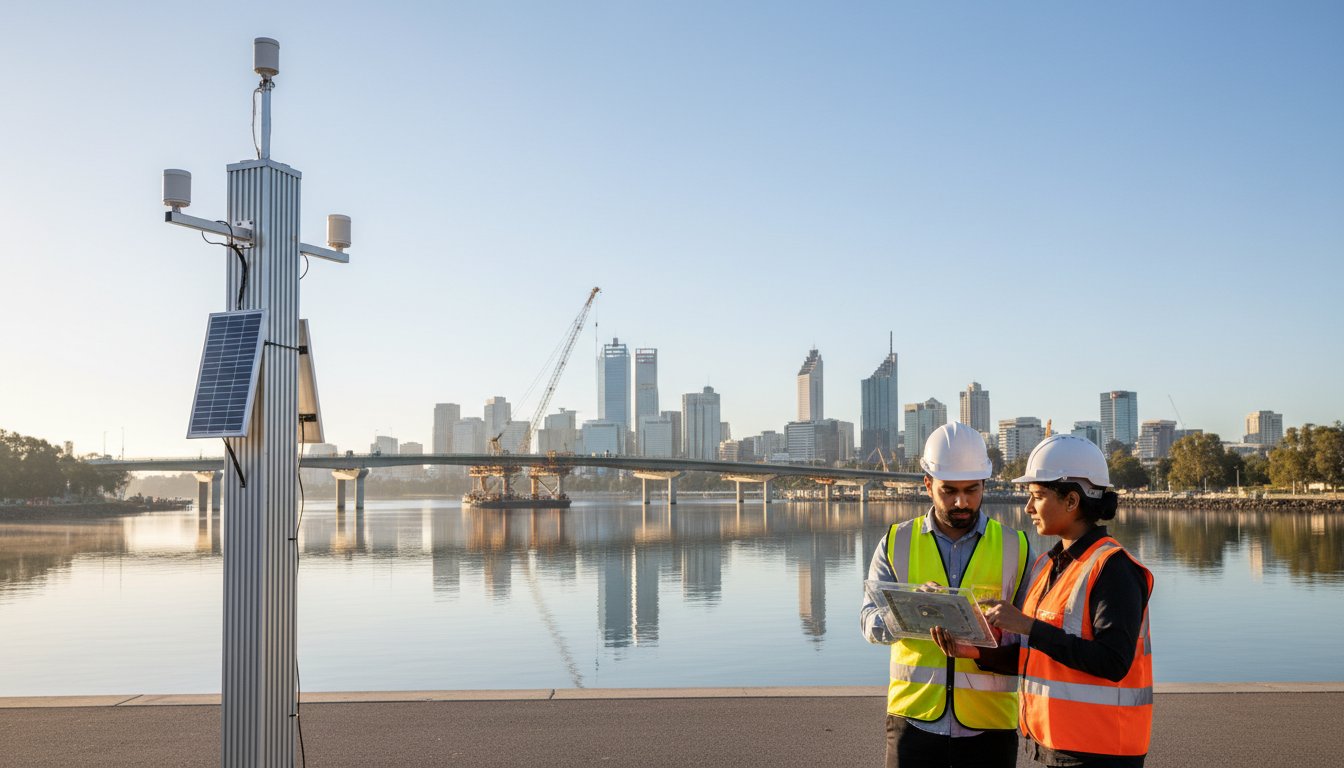
Many managers rely on mobile apps, but these have clear vulnerabilities. "Buddy punching" remains a common issue where one worker clocks in for another. GPS pings often fail in remote areas or inside concrete structures. A solar-powered camera tower provides a physical eye on the gate that operates 24/7. It's the only foolproof way of monitoring subcontractor arrival and departure times without manual intervention. It doesn't rely on a worker's phone battery or a stable 5G signal. It captures the reality of the site in high definition.
Renting a solar tower ensures you have a dedicated unit that works independently of site power. This is vital for early-stage civil works where infrastructure is non-existent. These towers offer a seamless way to verify who entered the site and when, providing a "single source of truth" for every stakeholder. When a subcontractor disputes a docked invoice, a timestamped image of their vehicle leaving the site 30 minutes early ends the conversation immediately. This isn't about lack of trust. It's about maintaining the professional standards and accountability that high-stakes projects demand.
How to Monitor Subcontractor Arrival and Departure via Solar Towers
Monitoring subcontractor arrival and departure times is no longer a manual task for site foremen or security guards. Solar tower rentals provide a 24/7 visual log that operates entirely independent of site power or fixed internet lines. This technology ensures project managers have an indisputable record of who is on site and exactly when they crossed the boundary. By deploying a high-definition camera mast, you replace verbal estimates with timestamped reality.
Positioning for Maximum Visibility
Configuring Real-Time Monitoring Alerts
Modern solar towers use intelligent software to filter out environmental "noise." You can draw custom motion zones on your interface to ignore passing public road traffic or swaying trees outside the fence. This ensures your mobile app only sends notifications for actual site entries and exits. Using these digital tools for Effective Time Tracking in Construction simplifies the verification process. You can organise footage by specific dates and hours, allowing for rapid retrieval during weekly audits. This visual data is the most reliable method for monitoring subcontractor arrival and departure times across large-scale developments.
Streamlining Payroll and Reporting
Cloud-based playback allows you to verify timestamps from any location without stepping foot on the dirt. If a subcontractor invoices for a 7:00 AM start, you can confirm their actual arrival in seconds using the high-definition archive. This visual data integrates directly into your weekly project reporting and payroll audits. It creates a culture of accountability where data drives the project timeline. For long-term developments, hiring solar site cameras provides a cost-effective way to maintain this level of oversight without the overhead of permanent infrastructure. The result is a transparent, professional record that protects your budget and your schedule.
Visual Verification vs. Traditional Time Tracking Methods
Manual logbooks are prone to human error or "buddy punching" where one worker signs in for another. These traditional methods lack the objective proof required for accurate project costing. Visual verification through high-definition footage provides an indisputable record of site activity. By monitoring subcontractor arrival and departure times through a solar-powered lens, site managers eliminate the ambiguity of handwritten entries. This visual audit trail serves as a superior alternative to basic Construction Time Tracking Software because it captures the physical presence of the team rather than just a digital signal. If a dispute arises regarding hours billed, the project manager can simply review the timestamped footage to confirm exactly when a vehicle entered or exited the gate.
The financial impact of accurate tracking is substantial. If a subcontractor rounds up their time by just 15 minutes daily, it totals 1.25 hours per week. At an average Australian trade rate of A$90 per hour, a single project manager loses A$112.50 per worker every week. On a site with 20 subcontractors, that represents A$2,250 in weekly leakage. Hiring solar site cameras on a weekly rental basis often costs less than the labor hours recovered from a single sub-trade crew.
Accountability Through Transparency
The mere presence of a 6-metre tall surveillance tower creates an immediate shift in site culture. When workers know their movements are recorded, "time theft" and extended lunch breaks decrease by up to 20% based on common industry observations. This transparency extends to safety protocols as well. Managers use the high-definition zoom capabilities to verify that subcontractors are wearing correct PPE, such as high-vis vests and hard hats, the moment they step onto the site. This proactive monitoring ensures compliance before a worker even reaches the tool chest.
Infrastructure-Free Deployment
Traditional fixed CCTV systems require a grid connection and data cabling, which are rarely available during the early stages of a development. Trenching for power cables can cost between A$50 and A$150 per linear metre, a cost that is completely avoided with solar-powered units. Our rental towers operate with total solar autonomy, making them ideal for remote Australian sites or projects without established power. Because they rely on 4GX connectivity, footage is transmitted directly to the cloud. This is a significant upgrade over local NVR storage, which is vulnerable to theft or site damage. As the site boundary evolves or the build progresses, the towers can be relocated in minutes without calling an electrician or data technician. For those managing more permanent infrastructure needs, you can learn more about professional electrical engineering and contracting services.
Implementing a Visual Monitoring Strategy on Your Site
Successful implementation starts with clear site policies. You must define how visual data is used and stored to ensure compliance with the Australian Privacy Act 1988 and relevant state-based surveillance legislation. It isn't just about oversight; it's about transparency. Inform all subcontractors during induction that solar-powered camera towers are active. This sets a professional standard for accountability from day one. Site foremen shouldn't spend hours chasing paper. They need real-time data to manage a fluid workforce. Training your team to use the remote portal effectively turns a piece of hardware into a high-impact management asset.
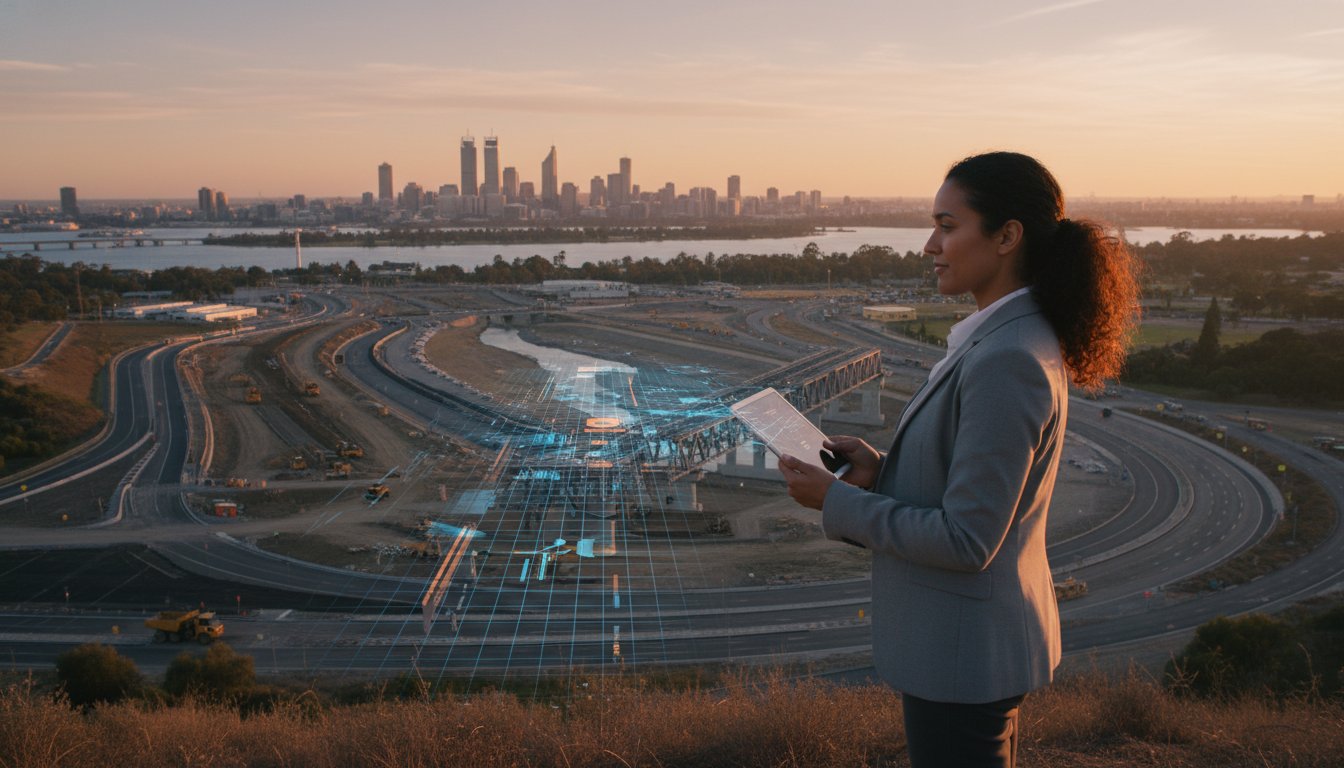
Time-lapse features offer a dual benefit. While you are monitoring subcontractor arrival and departure times, you are also building a high-quality visual history of the build. This footage shows stakeholders exactly how the project is moving. It proves that a 20% increase in site activity directly correlates with the latest project milestone. It's a tool for both compliance and communication. By using solar-powered towers, you maintain this visibility without needing fixed power or data lines, which is essential for the early stages of development.
Capturing Vehicle and Machinery Arrivals
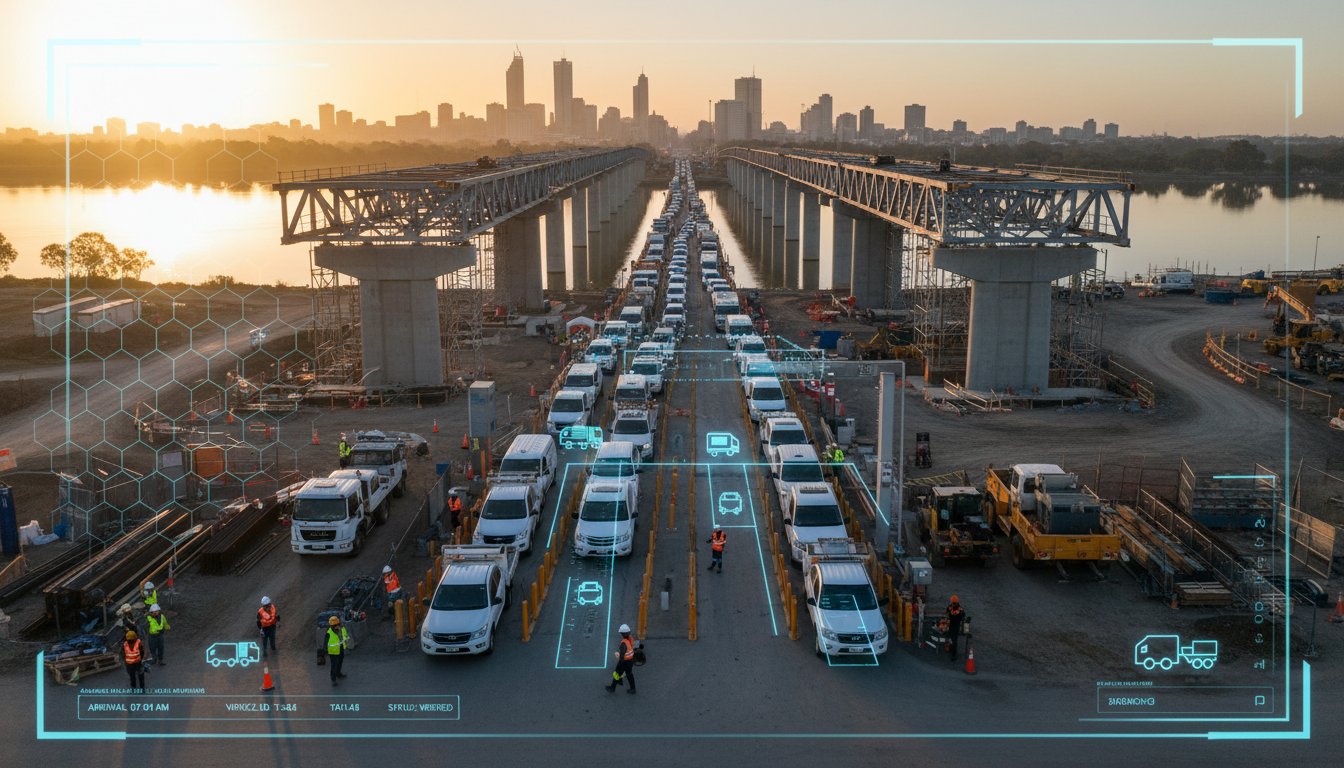
High-definition zoom capabilities allow you to record specific delivery dockets and license plates as they enter the gate. This level of detail is vital for accuracy. If a concrete pour is scheduled for 07:00, you can verify exactly when the first agitator arrived. A 2023 industry report suggests that up to 15% of project delays stem from late material deliveries. Linking vehicle movement to specific work orders prevents "ghost hours" where equipment is billed but not present. It ensures you only pay for the hours that specialized plant equipment is actually on-site and operational. You can track everything from excavation machinery to site sheds through a single interface.
Integrating Visual Proof into Payroll
Disputes over billable hours can stall a project's momentum. Using a remote monitoring camera provides a definitive source of truth to settle timesheet queries instantly. Instead of relying on manual logs, you have a timestamped visual record of every person and vehicle. Standardize your process by archiving footage for at least seven years to protect against back-dated claims. This proactive approach reduces administrative friction and ensures payroll accuracy across the entire project lifecycle. It gives your accounts team the confidence to process payments without second-guessing site attendance. Visual proof turns a potential conflict into a simple data check.
Why Hiring Solar Surveillance Towers is the Logical Choice
Project-based work demands agility. Buying hardware often locks you into outdated tech and heavy upfront costs. Hiring solar surveillance towers shifts the focus from asset management to site results. It's a strategic move that aligns with the fluid nature of Australian construction cycles. You get the equipment when you need it and return it when the job finishes. Hiring works. It's simple.
Choosing a hire model provides immediate financial flexibility. Instead of a large capital expenditure (CAPEX), you manage costs through operational expenditure (OPEX). This keeps your cash flow healthy for materials and labor. Every rental includes professional installation and ongoing maintenance. If a unit needs adjustment or a firmware update, our team handles it. You don't need an in-house technician to manage your 4GX connectivity or cloud storage settings.
Technology moves fast. A camera bought 24 months ago often lacks the current 4GX speeds and AI processing power of today's models. Monitoring subcontractor arrival and departure times requires high-definition clarity and reliable uptime. Hiring ensures you always have access to the latest hardware without the risk of equipment obsolescence. As your project scales from initial earthworks to final fit-out, you can easily increase or decrease the number of towers on-site to match the project phase.
The Jobcam Managed Service Advantage
We provide national deployment across Australia. Whether your project is in a metro hub or a remote regional site, our support network reaches you. All footage is hosted on secure AWS cloud servers located in Australia. This ensures your data is never lost, even if a unit is damaged. You can access every angle through the Jobcam app. It's mobile site oversight that fits in your pocket, providing 24/7 transparency for all stakeholders. Everything stays synced and secure.
Ready to Secure Your Site Accountability?
Getting started is straightforward. A professional solar site camera hire removes the guesswork. DIY security setups often fail due to poor positioning or weak power management. Our experts handle the configuration to ensure total coverage from day one. This level of precision is vital for accurately monitoring subcontractor arrival and departure times. Don't leave your site's security to chance. Get a quote for your site today and experience the Jobcam difference.
Take Command of Your Site Accountability
Precision on a construction site is the difference between a profitable project and a logistical nightmare. Traditional manual tracking often results in billing errors; industry reports indicate that administrative discrepancies can account for up to 5% of total project labour costs. By switching to a visual verification model through solar tower hire, you gain an indisputable record of site activity. monitoring subcontractor arrival and departure times becomes a streamlined, automated process that removes the friction of disputed hours and manual logbook entries.
JobCam offers a robust rental solution backed by Telstra 4GX connectivity and AWS secure hosting to keep your data accessible and protected. Our professional national installation team ensures your towers are positioned for maximum coverage without requiring any on-site power or infrastructure. With real-time mobile app access, you can verify attendance from any location at any time. It's a practical investment in transparency that protects your bottom line and keeps your project moving forward according to schedule.
Secure your site accountability with Jobcam solar towers
Your project deserves the clarity and security that only professional visual monitoring can provide.
Frequently Asked Questions
Is it legal to monitor subcontractor arrival and departure times with cameras in Australia?
Monitoring subcontractor arrival and departure times is legal across Australia provided you comply with the Privacy Act 1988 and relevant state surveillance laws. You're required to display clear, highly visible signage at all site entrances to notify workers and visitors that recording is in progress. This transparency ensures your site remains compliant while you gather the visual evidence needed for project accountability.
How do solar surveillance towers work on sites with no internet or power?
Solar towers are completely self-sufficient units that use high-efficiency photovoltaic panels to charge onboard deep-cycle batteries. They connect to the JobCam platform using industrial-grade 4G or 5G cellular routers, which eliminates the need for fixed-line internet or mains power. This setup allows for seamless 24/7 monitoring in remote locations or early-stage greenfield developments where infrastructure isn't yet established.
Can I use the footage to dispute a subcontractors invoice?
You can use high-definition footage as a factual record to resolve billing disputes and verify exact site attendance. Visual verification removes the ambiguity of manual logbooks by showing the precise minute a vehicle or crew enters and exits the site. It’s a practical tool for project managers to ensure they're only paying for the hours actually spent on the job.
What happens to the data if the solar camera tower is damaged or stolen?
All footage is transmitted in real-time to secure cloud storage, so your data stays protected even if the physical tower is damaged. If the unit detects tampering or unauthorized movement, it triggers an immediate alert and records the event before any hardware disruption occurs. You'll always have access to the captured video through your web portal for insurance or police reporting purposes.
Do I need to hire a security guard if I have solar surveillance towers?
Many site managers find that solar towers significantly reduce or eliminate the need for physical security guards, who often cost over A$50 per hour. The cameras use AI-powered detection to identify human or vehicle movement and send instant alerts to your phone. This technology provides constant, unbiased site oversight at a fraction of the cost of a manned guard patrol.
How far can the solar cameras see during night-time arrivals?
Our solar cameras are equipped with advanced infrared sensors that provide clear visibility up to 30 meters in total darkness. This ensures that early morning or late night subcontractor arrivals are captured with enough detail to identify vehicles and personnel. The high-contrast night vision maintains site integrity around the clock, regardless of the available ambient lighting.
Can I move the tower to different parts of the site during the project?
The towers are built for mobility and can be relocated easily as your site layout evolves. Each unit features integrated forklift pockets or trailer hitches, allowing you to reposition the tower in less than 15 minutes. This flexibility ensures you can always maintain the best vantage point for monitoring subcontractor arrival and departure times as construction progresses.
What is the minimum hire period for a solar security tower?
The standard minimum hire period for a solar camera tower is 4 weeks, which covers the logistics of delivery, site setup, and initial calibration. We provide flexible rental terms that can be extended month-to-month to match your project’s specific duration. This rental model gives you access to premium technology without the heavy capital investment of buying equipment outright.